Sin is not a pleasant subject, but it is a major biblical category. If we are going to understand the human condition, we must understand what Scripture says about sin. And if we understand the seriousness of sin, we will better understand the greatness of God’s grace.
A useful definition of sin is any failure to conform to the moral law of God in act, attitude, or nature.
We usually think first about sinful actions: lying, stealing, adultery, murder, and other outward behaviors. But Scripture goes much deeper. Sin also involves our attitudes. The final commandment, for example, forbids coveting—an inward desire rather than an outward action. In the Sermon on the Mount, Jesus makes the same point when He connects murder with hatred and adultery with lust. God is concerned not merely with what we do but with who we are.
Jesus makes this especially clear in Mark 7. Evil thoughts, sexual immorality, theft, murder, greed, envy, pride, and foolishness come from within the human heart. Our problem is not simply that we occasionally make bad choices. Something has gone wrong within us.
In other words, we do not become sinners because we sin; we sin because we are sinners.
The Seriousness of Sin
Sin is serious because it contradicts the character of God. God is perfectly holy, righteous, loving, and good. His moral law reflects who He is. Thus, when we sin, we are not merely breaking an arbitrary rule; we are acting contrary to the character and purposes of the living God.
But we should never consider the depth of sin without also considering the height of grace. The clearer we see the holiness of God and the sinfulness of sin, the more extraordinary His grace becomes.
In fact, spiritual growth often brings an increasing awareness of both. As we come to know God more deeply, we begin to see sin more as He sees it. We recognize that He hates sin not only because it opposes His character but also because it damages the people He loves.
The growing Christian therefore becomes increasingly amazed by grace. The distance between God’s holiness and our sinfulness appears greater, not smaller, and we begin to see more clearly that only the grace of God can bridge that chasm.
Where Did Sin Come From?
This raises a difficult question. If God created everything, is He responsible for sin? Scripture emphatically says no. God cannot sin because sin would contradict His own nature. Deuteronomy 32:4 describes Him as faithful, just, righteous, and upright. James 1:13 tells us that God cannot be tempted by evil and does not tempt anyone to evil.
At the same time, we should not imagine that evil is an eternal force equal to God. Satan is not God’s opposite or equal. Satan is a created being and remains subject to God. There is no ultimate contest between God and Satan in which the outcome is uncertain.
There is mystery here. God sovereignly permitted a world in which moral creatures could rebel against Him, yet those creatures remain responsible for their choices. God can even use sinful human decisions to accomplish His purposes without becoming the author of sin.
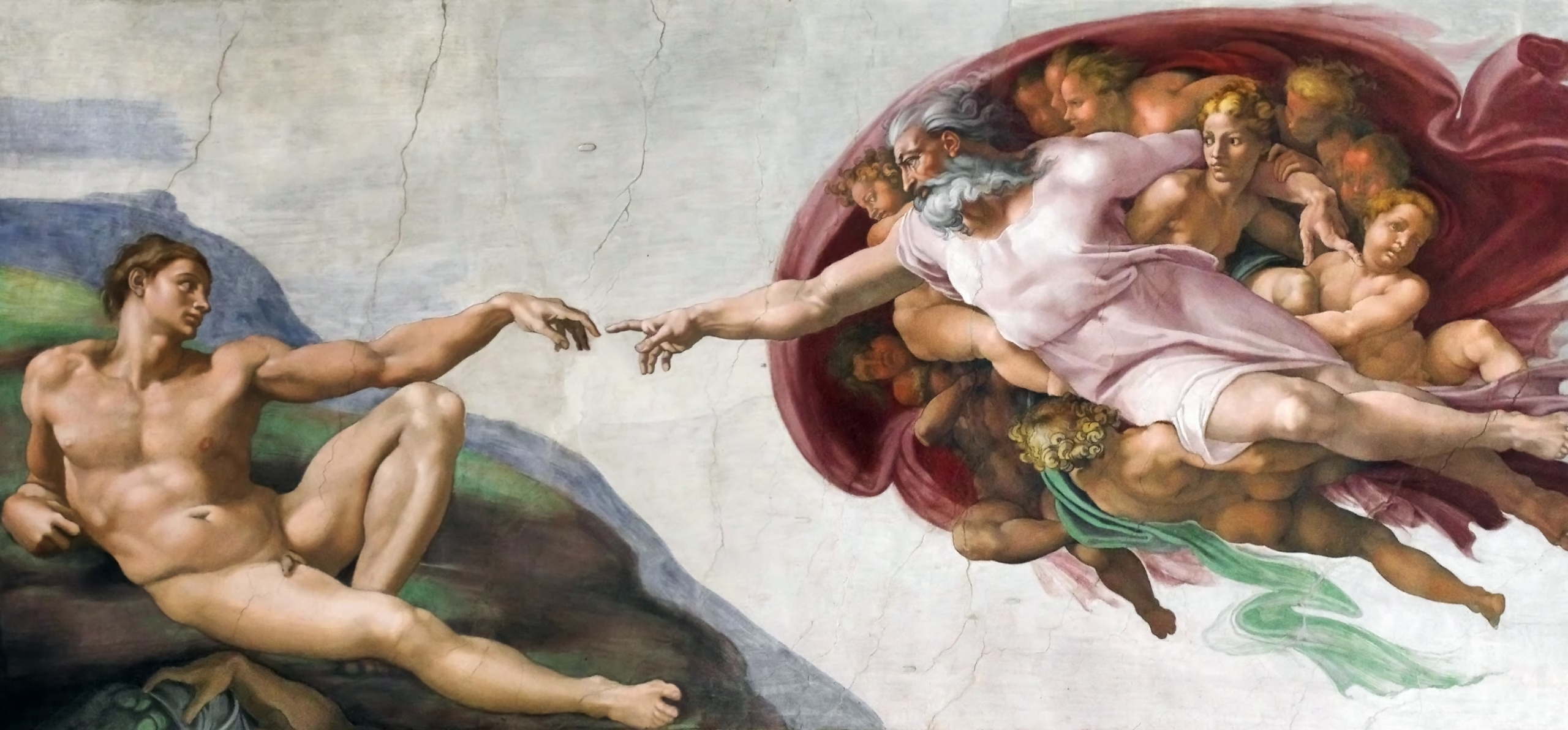
We see this rebellion dramatically in Genesis 3. The serpent tempted Adam and Eve to question God’s truth, goodness, and authority. They chose autonomy over dependence. Instead of trusting their Creator to define what was good, they wanted to determine good and evil for themselves.
This remains at the heart of human sin: the desire to live independently of God.
Our Inherited Problem
Adam’s sin affected more than Adam. Romans 5 teaches that sin entered the world through one man and that death spread to humanity through sin. This brings us to what is sometimes called original sin, though inherited sin may be a clearer term. We inherit both guilt and corruption from Adam. At first, this may seem unfair. Why should Adam’s action affect us?
One answer is that our own lives confirm our solidarity with Adam. None of us is innocent. We have all chosen our own way and committed sins for which we ourselves are responsible.
But there is an even more important answer in Romans 5. The same principle that connects us with Adam also points us toward Christ. Adam represents the old humanity; Christ represents a new humanity. Just as Adam’s sin was counted to those who belong to him, Christ’s righteousness is counted to those who belong to Christ. We cannot reject the principle when it involves Adam and then embrace it when it involves Jesus. The first Adam brought condemnation and death. The second Adam brings righteousness and life.
We also inherit a corrupted nature. David says, “Behold, I was brought forth in iniquity” (Psalm 51:5), and Paul says that we were “by nature children of wrath” (Ephesians 2:3).
This does not mean everyone is as evil as possible. Civil law, family and social expectations, and conscience restrain much human evil. But beneath these restraints lies a heart that is naturally turned away from God. Jeremiah 17:9 describes the heart as deceitful and desperately sick. This is why education, legislation, and social reform, valuable as they may be, cannot finally solve the human problem. Our deepest problem is internal.
What Happens When Christians Sin?
For those who have trusted in Christ, sin does not undo our legal standing before God. Our salvation rests on Christ’s righteousness rather than our performance. But this does not mean sin is harmless. Sin disrupts our fellowship with God, damages our lives, diminishes our fruitfulness, and can bring the Father’s discipline. A believer who treats sin casually has failed to understand both the holiness of God and the purpose of grace.
There are also different degrees of consequences associated with sin. In terms of our guilt before a holy God, any sin makes us lawbreakers. But Scripture also indicates that some sins cause greater damage than others. Deliberate, repeated rebellion from a hardened heart is more serious in its effects than an unintentional failure.
Jesus also warns about the blasphemy against the Holy Spirit. This involves a conscious and malicious rejection of the Spirit’s testimony concerning Christ—seeing the work of God and deliberately attributing it to evil. It reflects a heart hardened against the very One who brings conviction and points us to Christ.
Sin and the Grace of God
Finally, why must sin be punished? Because God is righteous. If God simply ignored evil, He would cease to be a righteous Judge. We live in a moral universe, and evil must ultimately be dealt with.
This is where the gospel becomes so remarkable. God does not pretend that sin does not matter. Nor does He lower His standard. Instead, God Himself provides the solution. Christ bears the judgment that sinners deserve so that God can remain perfectly just while justifying those who place their trust in Him.
This is one of the great truths of Christianity: God takes sin so seriously that He bears its cost Himself. The doctrine of sin, therefore, should never leave us merely discouraged. It should lead us to the cross. The more clearly we understand the depth of our need, the more clearly we see the greatness of God’s provision. We begin to understand that salvation is not a small adjustment to otherwise decent people. It is a work of divine grace that gives life to those who could never rescue themselves.
And this is why a growing awareness of sin should lead to a growing wonder at grace. The chasm is greater than we imagined. But the grace of God in Christ is greater still.
To explore this topic more deeply and discover how to thoughtfully answer the questions below, subscribe to Ken Boa Reflections on Substack.
Questions for Reflection
- How does understanding sin as a matter of acts, attitudes, and nature change the way you think about your need for God’s grace?
- Why is it important to see both the holiness of God and the seriousness of sin in order to appreciate what Christ accomplished on the cross?
- In what areas of your life are you most tempted to choose independence from God rather than trust and dependence on Him?
- How can a deeper awareness of your sin lead not to discouragement, but to greater gratitude, humility, and wonder at the grace of God?